
Introduction to Neurotechnology and Its Potential
Neurotechnology encompasses a range of interdisciplinary fields that integrate neuroscience with engineering and technology, offering innovative ways to enhance our understanding of the brain and its functions. At the forefront of this field are brain-computer interfaces (BCIs), which facilitate direct communication between the human brain and external devices. The advancement of BCIs presents significant opportunities to enhance cognitive capabilities and emotional well-being. By leveraging sophisticated algorithms and machine learning, these interfaces can interpret neural signals and translate them into actionable commands.
Recent developments in electroencephalogram (EEG) technology exemplify this progress, enabling devices like Neurostim AI to monitor and analyze brainwaves in real-time. These EEG applications gather essential data about neural activity, providing insights into an individual’s cognitive state and emotional responses. The ability to track such brain activity opens avenues for personalized neurostimulation, allowing users to adjust their experiences based on detected brain patterns. This mechanism is particularly significant for fostering neuroplasticity— the brain’s capacity to reorganize and adapt itself. By strategically influencing neural pathways, individuals can potentially achieve greater personal growth and mental resilience.
As we navigate the complexities of the human experience, the implications of neurotechnology on mental health and well-being become increasingly profound. Understanding the interconnectedness between human emotions and our environments can lead to tailored interventions aimed at improving psychological outcomes. For instance, integrating neurotechnology with environmental factors, such as greenery and natural elements, may further enhance the therapeutic benefits for users. Ultimately, the ongoing advancements in neurotechnology promise a transformative approach to cognitive enhancement and emotional regulation, paving the way for a more connected and informed society.
Understanding Plant Responses through EEG Technology
Recent advancements in neurotechnology have opened up new avenues for exploring the intricate relationship between humans and plants. One of the most fascinating aspects of this exploration involves the use of electroencephalogram (EEG) technology to understand plant responses. Through tools such as Plantwave and MIDI Sprout, researchers can capture the subtle electrical signals produced by plants, allowing us to gain insights into their emotional and physiological reactions to various stimuli.
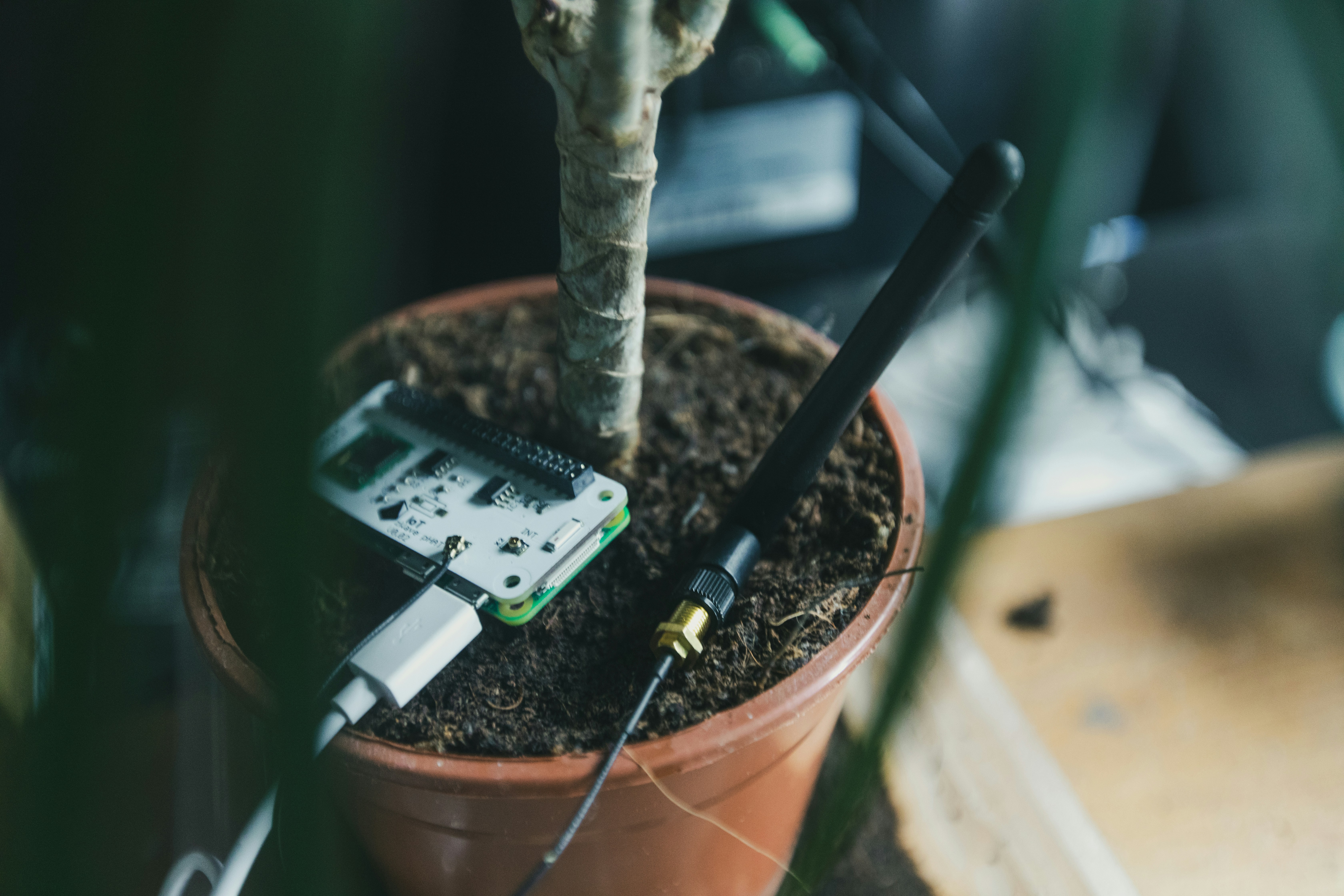
Plantwave, for instance, utilizes sensors to measure the electrical variations generated by plants, converting these signals into soundscapes. This innovative approach not only enhances our auditory experience but also encourages a deeper connection with the plant kingdom. As these sounds are derived from the plants’ responses to environmental changes—such as light levels, moisture, and human interaction—they serve as an auditory representation of their well-being and emotional state.
Similarly, MIDI Sprout functions by translating plant biofeedback into MIDI data, a format commonly used in music production. Musicians and artists can utilize this data to create unique compositions that resonate with the subtle energies emitted by plants. This creative practice not only raises awareness of plant sentience but also fosters a more profound appreciation for the role of flora in our ecosystems.
The significance of employing EEG technology to understand plant responses lies in its potential to illustrate the concept of biocommunication. This understanding can reshape our perception of plants as passive entities and instead highlight their dynamic interactions within their environment. By listening to plants through EEG interfaces, we begin to appreciate their emotional complexities and the possibility of fostering a symbiotic relationship between humans and the natural world.
Creating a Real-Time Feedback Loop Between Humans and Plants
The exploration of establishing a real-time feedback loop between humans and plants is a fascinating frontier within the realm of neurotechnology. By utilizing Electroencephalography (EEG) data, artificial intelligence (AI), and stimulation systems, this innovative approach seeks to facilitate a bi-directional communication pathway. This concept operates on the premise that human thoughts and emotions significantly influence the physiological state of nearby plants while allowing plants to convey their responses through various stimuli, such as sound and light.
When humans engage with plants, their emotional states can be detected through EEG signals, which could then be processed by AI algorithms designed to interpret these signals. For instance, a person may experience feelings of calmness or joy when in proximity to a plant, and these positive emotions can translate into enhanced growth and vitality of the plant, creating a harmonious environment. Conversely, plants could respond to human stress or anxiety through specific prompts, such as alterations in color or sound, thereby actively influencing the emotional state of the individual nearby. This reciprocal relationship establishes a collaborative ecosystem where both plants and humans can thrive.
The potential applications of this feedback loop are vast and diverse. Therapeutic environments in hospitals could harness this technology to create healing spaces where patients can naturally connect with plants, receiving emotional boosts that promote recovery. Similarly, educational settings could implement these systems to foster a deeper understanding of nature and emotional well-being among students, promoting mindfulness and appreciation for the living environment. Moreover, horticultural practices could see advancements, enabling gardeners to better understand the needs of their plants through real-time emotional responses, thus enhancing sustainable practices.
In essence, creating a real-time feedback loop represents not just a technical achievement but a holistic approach that underscores the interconnectedness of human emotions and plant health, leading to enriching experiences and therapeutic benefits in various settings.
The Infinite Loop: Learning and Growing Together
The concept of the infinite loop represents a continuous exchange of information between humans and plants, facilitated by advanced neurotechnology. This relationship allows artificial intelligence (AI) systems to learn and adapt from interactions with both parties. As humans engage with plants through various methods—be it caring for a garden, observing growth patterns, or utilizing neurofeedback interfaces—data is collected and analyzed by AI systems. This ongoing learning cycle enhances understanding and promotes improved welfare for both humans and plants, fostering a deeper connection.
The implications of such a symbiotic relationship extend beyond individual interactions; they can significantly impact societal norms and attitudes towards nature. When individuals experience a heightened awareness of the mental and emotional benefits derived from their interaction with plants, there is a tendency to promote ecological mindfulness within communities. This shift encourages sustainable practices and habits that prioritize environmental health, leading to greater societal resilience in facing climate challenges.
Furthermore, the feedback loop has the potential to evolve into dynamic educational frameworks that redefine learning about nature. For instance, virtual environments could leverage neurotechnology to create immersive experiences where users can understand biological processes through real-time engagement with plant life. Such advancements not only enrich knowledge but also inspire creative problem-solving around ecological conservation, allowing participants to co-create solutions to environmental concerns.
As AI becomes increasingly adept at understanding the nuances of these interactions, we can anticipate applications that align human behavior with ecological needs more effectively. Future advancements may include smart home systems that adapt to plant well-being, thereby enhancing indoor air quality and promoting mental health through greenery. Through this infinite loop, humans and plants can learn and grow together, paving the way for a sustainable future that fosters harmony within our ecosystems.